Aedes: The Decorative Typeface That Commands Attention
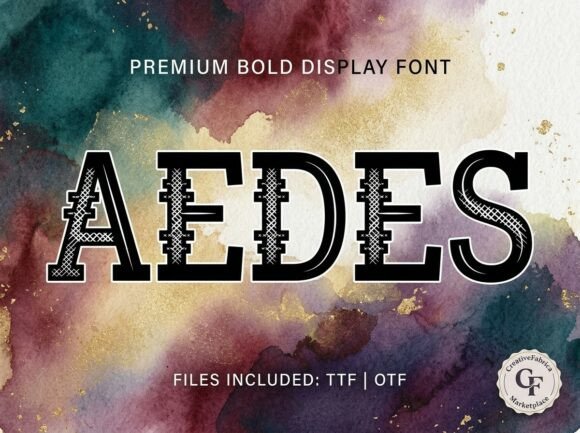
There's a specific moment in every creative project where the typeface either elevates the entire concept or lets it down. You've experienced it—the layout is solid, the imagery is strong, but the typography feels generic, forgettable, like an afterthought. This is precisely the challenge that a typeface like Aedes is built to solve. It's not a workhorse font for body copy; it's a statement piece, a decorative display typeface engineered to become the visual anchor of your design. Think of it as the bold, architectural element that gives a room its character. Its distinct artistic elements and strong, unapologetic character make it a powerful tool for creators looking to inject personality and a high-end aesthetic into their work, moving decisively beyond the ordinary.
More Than Just Letters: Understanding Aedes's Visual Language
At its core, Aedes is an all-caps display typeface. This is a crucial detail that defines its role. By design, it does not contain lowercase letters. This isn't a limitation; it's a strategic feature. The all-caps construction forces a certain rhythmic consistency and monumental presence, making it inherently suited for headlines, logos, and decorative initials where maximum impact is required. Its visual personality likely stems from carefully crafted letterforms—perhaps featuring sharp serifs, unexpected curves, or intricate details that give it a custom, handcrafted feel. This is what separates a premium font from a standard system typeface: the nuanced details that create texture and visual interest at larger scales.
When you select a font like Aedes, you're not just choosing a set of characters. You're adopting a visual language. Its strong character communicates confidence, creativity, and a deliberate break from the mainstream. This makes it an excellent counterpart to more neutral sans serif fonts for body text, or even a striking companion to a delicate script font, creating a dynamic tension that captures the eye.
Practical Applications: Where Aedes Truly Shines
Theory is one thing, but where does a decorative display font like Aedes actually deliver value? Its utility spans a wide range of creative and commercial projects, each benefiting from its unique strengths.
- Branding & Logo Design: A logo sets the tone for an entire brand identity. Aedes can serve as the primary logotype, instantly conveying a sense of artistry and premium quality. Its all-caps nature ensures the brand name is presented with uniform weight and presence, which is excellent for recognition.
- Packaging Design: On a shelf or in an online store, packaging has mere seconds to tell a story. Aedes can headline product names, creating an immediate impression of quality and care—ideal for artisanal goods, boutique products, or luxury items.
- Editorial & Print Layouts: In magazines, book covers, or posters, a striking headline font is non-negotiable. Aedes can turn a title into a piece of art, setting the mood for the entire editorial spread and making it memorable.
- Digital Presence: For websites and blogs, using Aedes for key section headers or the site title can dramatically improve the professional presentation and visual consistency. It helps guide the visitor's eye and reinforces brand identity across every page.
- Marketing & Social Media: In the fast-scrolling environment of social media, bold graphics are essential. Aedes makes Instagram posts, Facebook ads, and Pinterest pins pop. It's equally effective for creating impactful slides in presentations or compelling email headers that boost engagement.
- Merchandise & Invitations: From t-shirt graphics and tote bags to wedding invitations and event posters, this font adds a layer of sophistication and personality that generic fonts simply cannot match.
A Practical Guide to Using Aedes Effectively
Adopting a powerful new design asset requires a thoughtful approach. Here’s how to integrate Aedes into your workflow for the best results.
Master the Art of Font Pairing. The golden rule with a decorative display font is balance. Pair Aedes with a clean, highly readable sans serif or a simple serif font for body copy. This contrast ensures your headlines captivate without sacrificing the readability of your supporting text. Test combinations in your actual project mockups to see how the weights and sizes interact.
Prioritize Readability in Context. While Aedes is designed for impact, always consider its application. At very small sizes, intricate details can become muddy. It’s best used at larger scales where its artistic elements can be fully appreciated. For a website, use it for H1 or H2 tags, but not for paragraph text.
Review Your Included Files. The package includes both OTF and TTF files. The OTF (OpenType Font) file is your go-to for professional design software like Adobe Illustrator or InDesign, as it supports advanced typographic features. The TTF (TrueType Font) ensures compatibility across all operating systems, which is particularly useful if you're creating assets in programs that may not fully support OTF, or if you need to install the font on a Windows machine for presentations.
Understand Commercial Licensing. Before using Aedes in a client project or for merchandise you plan to sell, always verify the licensing terms. Most premium fonts for commercial use require a specific license that covers these applications. This is a critical step in professional practice to ensure you have the rights to use the typeface in your final product.
Elevating Your Brand's Visual Narrative
Ultimately, choosing a typeface like Aedes is a strategic decision about visual communication. It’s for the designer who understands that typography is a voice. It’s for the small business owner who wants their packaging to feel as curated as their product. It’s for the content creator who needs their blog headers to be as engaging as their writing. By delivering a high-end, professional aesthetic without compromising on personality, Aedes provides a reliable tool for building stronger brand recognition, ensuring visual consistency across all touchpoints, and engaging your audience on a more profound level. It’s not about following trends; it’s about establishing a distinct and memorable visual identity that stands apart.