Delta Hey Max Nine: A Playful Retro Font for Creative Brands
Sometimes a project needs a specific kind of energy. You're designing a logo for a new juice bar, laying out a poster for a community fair, or creating social media graphics for a vintage clothing shop. The content is fun, friendly, and a little bit nostalgic. You need a typeface that matches that spirit—something that doesn't just sit on the page but practically bounces off it. This is where a character-rich display font becomes your most valuable design asset. Enter Delta Hey Max Nine, a retro curly display typeface from Typodermic Fonts that injects immediate personality and playful charm into any creative work.
More Than Just Curves: The Visual Appeal of a Retro Typeface
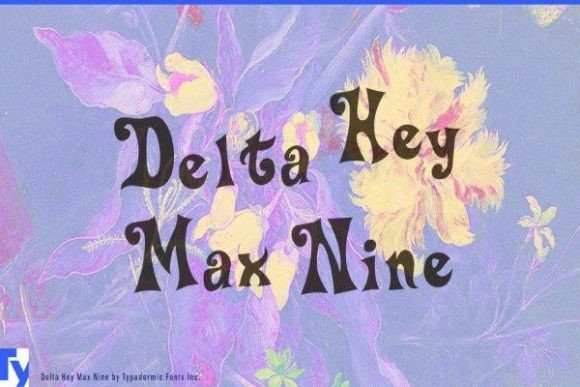
At first glance, Delta Hey Max Nine is defined by its rounded, looping letterforms and a distinct 1970s vibe. It's a silly, retro curly display font in the best sense of those words. The "silly" aspect comes from its unapologetically playful shapes that feel lighthearted and approachable. The "retro" quality taps into a well-loved aesthetic, evoking memories of groovy posters, vintage signage, and classic cartoon title cards. This isn't a font for drafting a legal contract; it's a premium font designed to make a visual statement.
What makes it visually compelling is its balance. The curls and loops are exuberant but remain legible, especially at larger sizes typical for display use. The overall texture is soft and inviting, which can help soften a brand's image and make it feel more human and relatable. In a landscape of sharp, geometric sans-serifs, a typeface like this offers a welcome dose of warmth and character.
Putting Personality to Work: Practical Applications
The true test of any creative font is how it performs in the wild. Delta Hey Max Nine's strength lies in its versatility for projects that prioritize personality over formality. Consider its use across different mediums:
- Brand Identity & Logo Design: For businesses that want to project fun, creativity, and approachability, this typeface can be the cornerstone of a logo. Think of a children's boutique, an ice cream parlor, a craft brewery with a playful brand, or a podcast about pop culture history. It helps build instant brand recognition through its distinctive look.
- Packaging & Merchandise: On a product label, a tote bag, or a sticker, the font's retro charm can make packaging stand out on a shelf or in an online store. It tells a story before the customer even reads the product name, enhancing the unboxing experience and contributing to a cohesive brand identity.
- Marketing & Social Media: In the fast-scroll world of social media, grabbing attention is key. Using Delta Hey Max Nine for headlines in social media graphics, Instagram stories, or video thumbnails can stop the scroll. Its playful nature is perfect for announcing sales, events, or new blog posts in a way that feels engaging rather than aggressive.
- Editorial & Digital Design: While not suited for body text, it can shine in editorial design for magazine pull quotes, chapter headings, or blog post titles. On a website, it can be used strategically for hero text or key calls-to-action, adding a burst of personality to your web design.
- Print & Invitations: For event posters, party invitations, or greeting cards, this font sets the tone immediately. It signals that the event will be fun, casual, and memorable, which is crucial for audience engagement from the very first look.
Integrating Delta Hey Max Nine Into Your Design Toolkit
Adopting a new typeface is about more than just liking how it looks. To use it effectively, consider these practical steps:
Match Font to Goal: Always start with your project's objective. Is the goal to appear whimsical, nostalgic, energetic, or friendly? If your brand voice is serious, corporate, or ultra-minimalist, this font likely isn't the right fit. But if your goal aligns with those positive, playful emotions, it's a powerful tool.
Master Font Pairing: A curly display font works best when paired with a simpler, more neutral companion. A classic sans serif font for body text or a clean serif font can provide excellent contrast and ensure your overall design remains readable and balanced. The display font grabs attention, while the paired font delivers the detailed information. Testing these font pairings in your actual layout is essential.
Consider Readability: Use Delta Hey Max Nine for short bursts of text—headlines, titles, single words. Avoid setting paragraphs in it, as the very features that make it charming can hinder long-form reading. Its role is to accent, not to narrate.
Explore the Styles: Check what the font family includes. Does it come with multiple weights or alternate characters? Understanding the full scope of the design asset allows you to create more dynamic and flexible layouts.
Understand the License: As a commercial font from a foundry like Typodermic Fonts, it will come with a license that permits use in commercial projects. Always review the specific terms to ensure it covers your intended use, whether for a client's logo, merchandise for sale, or marketing assets.
A Tool for Connection, Not Just Decoration
Ultimately, choosing a font like Delta Hey Max Nine is a strategic decision in visual communication. It's about aligning your typography with the emotional response you want to evoke. In a crowded marketplace, where consumers make snap judgments, the right creative font can be the difference between blending in and being remembered. It helps build a consistent visual language that resonates with your target audience, whether they're discovering you through a blog, a product package, or a social media ad.
By thoughtfully integrating a character-driven typeface into your projects, you're not just decorating a page—you're crafting an experience. You're telling your audience, "This is who we are," in a single, stylistic choice. For designers, entrepreneurs, and creators aiming to build a brand with heart and personality, having a font like this in your toolkit opens up a world of expressive possibilities.