Lucky Thick: A Vintage Script Font with Modern Charm
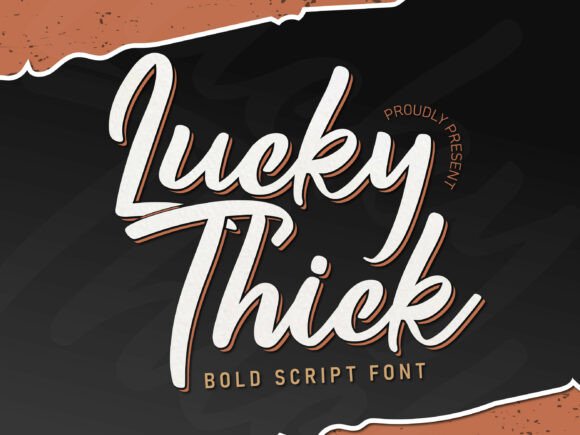
There’s something undeniably magnetic about a font that feels both familiar and fresh. You know the type—it carries the warmth of a handwritten letter, the confidence of a vintage poster, and just enough playful energy to make a design feel alive. That’s the kind of personality we’re exploring today with Lucky Thick, a beautiful handwritten vintage script font designed for projects that need a dose of fun and whimsy. It’s not just another script font; it’s a tool for adding character, whether you’re designing a wedding invitation or crafting a bold social media campaign.
More Than Just a Pretty Script
At its core, Lucky Thick is a premium font that blends the organic flow of a handwritten font with the structural clarity needed for professional work. What sets it apart visually is its balance. The strokes have a satisfying weight—hence the “Thick”—that gives it presence without feeling clumsy. It avoids the overly delicate, hard-to-read pitfalls of some script fonts, making it surprisingly versatile. The vintage inspiration is clear in its letterforms, but it doesn’t feel dated or nostalgic in a limiting way. Instead, it feels timeless, which is a massive advantage for brand identity and editorial design.
This typeface comes in both a script and a display style. The script version is perfect for longer lines of text where you want that connected, flowing feel—think a hero banner or a book title. The display style, often with more exaggerated swashes or alternate characters, is your go-to for headlines, logos, and single words that need to scream personality. Having both styles included in one package gives you incredible flexibility for font pairing and creating visual hierarchy within a single project.
Where This Font Truly Shines: Practical Applications
Let’s get practical. Where would you actually use a font like Lucky Thick? The answer is almost anywhere you want to inject warmth and approachability.
- Logo Design & Branding: For businesses in the lifestyle, food, boutique retail, or creative service space, this font can become the cornerstone of a brand identity. It’s ideal for bakeries, wedding planners, artisanal product makers, or personal brands that want to feel friendly and authentic. A logo set in Lucky Thick instantly communicates a hands-on, personal touch.
- Packaging Design: Imagine this font on a coffee bag, a candle label, or a box of artisan chocolates. Its vintage flair adds a layer of perceived quality and craftsmanship, making a product feel special before it’s even opened. It works beautifully for packaging design where shelf appeal is everything.
- Social Media Graphics: In the fast-scrolling world of Instagram or Pinterest, a distinctive font stops the thumb. Use Lucky Thick for quote graphics, story headers, sale announcements, or video thumbnails. Its readability at various sizes makes it a strong contender for social media graphics that need to be both engaging and clear.
- Invitations & Print Materials: This is its natural habitat. Wedding invitations, party flyers, event posters, and thank-you cards are elevated by its playful yet elegant script. It brings a personal, celebratory feel that generic sans-serifs simply can’t match.
- Websites & Blogs: While you wouldn’t use it for body text, it’s a powerhouse for headlines, pull quotes, and navigation elements on a web design project. A blog about cooking, travel, or DIY crafts could use it to create a cohesive, inviting aesthetic.
- Merchandise & Digital Products: From t-shirts and mugs to printable planners and e-book covers, this creative font translates well across physical and digital design assets.
Smart Typography: How to Use It Effectively
Finding a beautiful font is one thing; using it well is another. Here’s how to ensure Lucky Thick enhances your project rather than overwhelming it.
Readability is Paramount. Even with a charming script, clarity comes first. Avoid using it for long paragraphs or small body copy. Reserve it for headlines, subheads, and call-outs. Always test it at the size and on the background (or material) it will be viewed on. A font that looks gorgeous on your screen might get lost on a textured paper or a busy photo.
Master the Art of Font Pairing. A script font rarely works alone. Pair it with a clean, neutral sans serif font or a simple serif font for body text. The contrast creates a professional, balanced look. For example, pair the script headline with a sans-serif like Montserrat or a serif like Lora for supporting text. This maintains visual consistency and professional presentation across your design.
Leverage the Included Styles. Don’t just stick to the basic script. Explore the display version for impact. Check if the font includes alternates, ligatures, or swashes. These features are gold for logo design and custom typography, allowing you to create unique, one-of-a-kind lettering that truly represents a brand.
Consider the Commercial License. If you’re using this for client work, merchandise, or any project that generates revenue, you must ensure you have the correct commercial font license. This protects you legally and supports the font creator. It’s a non-negotiable step for any serious designer or business owner.
Elevating Your Visual Communication
Choosing a typeface like Lucky Thick is a strategic decision. It’s about more than just liking how it looks; it’s about what it communicates. This font helps improve brand recognition by giving a project a distinct, memorable voice. It enhances audience engagement by creating an emotional connection through its warmth and personality. When used thoughtfully, it becomes a key player in your modern typography toolkit, helping you craft designs that feel both intentional and delightful.
So, whether you’re a small business owner looking to refine your brand’s visual language, a content creator aiming to make your graphics pop, or a designer seeking a reliable display font with vintage charm, consider what a font with this much character can do for you. It’s a reminder that in the world of design, the right details don’t just complete a project—they define it.